Saturday, April 25, 2015

Seven Super Seeds that Will Change Your Health
Posted Friday, April 24, 2015 at 07:34pm EDT
As more and more people become aware of the health problems caused by the modern American diet and its dependence upon processed or fast foods, whole foods diets are becoming more popular. These diets focus in on changing to foods which are prepared from their natural states, like fresh vegetables or whole grains.
One good change to make if striving for a whole foods diet is to include more seeds. The typical American diet does not feature seeds heavily, so many people do not always think of them except in the form of a condiment (like sesame seeds for stir-fries). However, they are well worth including in a variety of dishes for all the health benefits they can bring. Seven of the healthiest seeds for this are listed below.
Chia Seeds
Chia seeds can be added easily to a variety of dishes like oatmeal, smoothies or even soups and casseroles because they have very little flavor. What they do have, however, is a ton of protein, iron, fiber and potassium to increase energy levels and help with weight loss. (1)
Flax Seeds
Ground flax seeds are great when added to baked goods or oatmeal and are also incredibly healthy. Their Omega 3 fatty acids help to lower blood pressure and cholesterol levels and they have also been shown to help balance female hormones, making them great for women’s health. (2)
Hemp Seeds
Hemp seeds are becoming increasingly popular with those who are conscious of their health. This is because, in addition to Omega-3 fatty acids, vegetarian protein and fiber, they are also rich in Vitamin E. This makes for healthy skin, hair and nails and is a powerful antioxidant to boot! (3)
Pumpkin Seeds
Pumpkin seeds are one of the healthiest snacks that someone can possibly indulge in. The thing that has most people so excited is that they are a great source of magnesium, a nutrient that has gotten a lot of press coverage in recent times for its support of muscular, bone and heart health. (4)
Sesame Seeds
Sesame seeds are a staple of Asian cuisine and are so small, they can be added discretely to almost any dish. One thing which makes them so great is that they are a rich source of calcium and this makes them an attractive option for vegans who cannot get their calcium from traditional dairy sources. (5)
Sunflower Seeds
These are another super-healthy snack. Like many seeds, they contain high amounts of protein, healthy fat and fiber. However, they are also rich in an amino acid called phenylalaline, which has been shown to promote brain health and treat issues like mild depression. (6)
Papaya Seeds
Many people get turned off from papaya seeds because of their strong pepper taste. However, they can be ground and used as a pepper substitute and the extra effort is well worth it: they are rich in oleic acid and have been shown to protect against cancer development. (7)
Using more of seeds like these is another quick and easy step towards embracing a whole foods diet and turning away from the processed foods which are responsible for so many health problems throughout this country.
More From Meghan:
Frank Lipman Integrative Physician
Frank Lipman: Alternative Medicine Man
By Sarah Toland Aug 2012
This integrative physician would rather prevent people from getting sick than treat them after they do.
4
Credit: Robbie Fimmano
Dr. Frank Lipman was working as a medical resident in the South Bronx when he first realized there was a better way to heal people. He'd walked into an acupuncture clinic a few blocks from his own chaotic hospital to find more than 100 crack and heroin addicts sitting quietly, with acupuncture needles in their ears. At the hospital, addicts didn't sit – they shouted, yanked out IVs, or were so sick that they lay sedate in beds. "It was obvious that, for the most part, Western medicine wasn't working – I wasn't helping patients," Lipman says. "At the hospital, we were more concerned with what the EKG or X-ray showed than with spending time with the patient to find out what was really wrong."
After that, Lipman started going regularly to the acupuncture clinic, where he learned Eastern-based alternative medicine while continuing to practice hospital-based Western medicine. It was a radical move at the time for a doctor in a profession that placed little value on preventive or holistic care. "I've always been a bit of a rebel at heart," says the South African native. "When you're brought up in apartheid, you learn to challenge everything. It's in my blood to question the system."
Thirty years of questioning have made Lipman a leading voice in functional medicine, which focuses more on balancing the body's systems than treating specific symptoms. At his Eleven Eleven Wellness Center in Manhattan, he primarily sees people whom he calls the "worried well" – those who aren't critically ill but aren't optimally healthy, either. Here, the 57-year-old shares what's the matter with our diets, why we live at less capacity, and what we can do to wake up feeling charged every morning.
What's wrong with Western medicine?
Rates of obesity, heart disease, cancer, and other diseases have skyrocketed in the past 50 years. We're seeing more autoimmune disease like chronic fatigue and hypothyroidism – we're even seeing these problems in kids. This is because we don't have a health-care system in the U.S. but a disease-care system. We treat diseases – we don't prevent them. Traditional doctors aren't trained in diet, supplements, exercise, meditation, and the other therapies you need to stay healthy. So if you want to prevent illness rather than only treat the times when you're sick, you have to go to an integrative doctor.
Rates of obesity, heart disease, cancer, and other diseases have skyrocketed in the past 50 years. We're seeing more autoimmune disease like chronic fatigue and hypothyroidism – we're even seeing these problems in kids. This is because we don't have a health-care system in the U.S. but a disease-care system. We treat diseases – we don't prevent them. Traditional doctors aren't trained in diet, supplements, exercise, meditation, and the other therapies you need to stay healthy. So if you want to prevent illness rather than only treat the times when you're sick, you have to go to an integrative doctor.
You've said that most people live at half capacity. What does that mean?
If you're not bouncing out of bed with energy every morning, you're not living at 100 percent capacity. If you feel tired during the day, your aches and pains are getting worse, you're putting on weight, you feel you're aging too quickly, or you're not as strong as you used to be – these are all signs you're not functioning at 100 percent. And you need only one or two of these symptoms to be living below optimum. These aren't just signs that you're getting old but that you might have an imbalance your traditional doctor isn't treating, you're eating foods that cause inflammation, you're not exercising enough, or you're living with too much stress. Basically, what we accept as normal is living at 60 to 70 percent of optimal function.
If you're not bouncing out of bed with energy every morning, you're not living at 100 percent capacity. If you feel tired during the day, your aches and pains are getting worse, you're putting on weight, you feel you're aging too quickly, or you're not as strong as you used to be – these are all signs you're not functioning at 100 percent. And you need only one or two of these symptoms to be living below optimum. These aren't just signs that you're getting old but that you might have an imbalance your traditional doctor isn't treating, you're eating foods that cause inflammation, you're not exercising enough, or you're living with too much stress. Basically, what we accept as normal is living at 60 to 70 percent of optimal function.
How do you live at 100 percent?
You have to ask yourself two questions. First, what are you putting into your body that may be harming you? This can include gluten, sugar, and chemicals like BPA and arsenic in your food, all of which are harmful to the body. Second, what are you not putting in your body that it needs? This includes tangible needs like certain nutrients as well as intangible needs like love in your life and community. Finding answers to these questions is much more important than getting a medical diagnosis. I can tell a patient he has irritable bowel syndrome, but that's just a name. But if I tell him he's eating too much gluten and dairy, or he's not getting enough fiber and probiotics, that's something actionable and helpful.
You have to ask yourself two questions. First, what are you putting into your body that may be harming you? This can include gluten, sugar, and chemicals like BPA and arsenic in your food, all of which are harmful to the body. Second, what are you not putting in your body that it needs? This includes tangible needs like certain nutrients as well as intangible needs like love in your life and community. Finding answers to these questions is much more important than getting a medical diagnosis. I can tell a patient he has irritable bowel syndrome, but that's just a name. But if I tell him he's eating too much gluten and dairy, or he's not getting enough fiber and probiotics, that's something actionable and helpful.
What about our great-grandfathers, who lived before the excess of sugar and chemicals in our food? Don't you think they had a hard time bouncing out of bed every morning?
It's hard to say what was happening 100 years ago. But I feel strongly that the conditions we live in today are more stressful and toxic than they've ever been. Everyone knows what emotional stress is, but environmental stress can be more overwhelming. There are so many toxins in our everyday environment that our natural detox systems are overloaded and our functioning decreases – our bodies can't process them. And when function declines, it presents itself as weight gain, fatigue, or aches and pains. Diet is a big part of that stress – if you're eating crap, you're putting a huge stress on your system.
It's hard to say what was happening 100 years ago. But I feel strongly that the conditions we live in today are more stressful and toxic than they've ever been. Everyone knows what emotional stress is, but environmental stress can be more overwhelming. There are so many toxins in our everyday environment that our natural detox systems are overloaded and our functioning decreases – our bodies can't process them. And when function declines, it presents itself as weight gain, fatigue, or aches and pains. Diet is a big part of that stress – if you're eating crap, you're putting a huge stress on your system.
Which foods are "crap"?
Gluten and sugar are the devil. I take all my patients off them, even if they don't have a wheat sensitivity, and everyone feels better. Sugar is obvious – most of us know that it stresses the body and creates inflammation. But I think gluten is worse. Gluten, especially wheat, acts the same way sugar does in the body: It triggers an immune response and creates inflammation, which can lead to illness and disease. The wheat our grandparents ate didn't do that. But the wheat today, even whole wheat, is a different grain – it's been so crossbred and hybridized to increase yields and resist weather and insects. It's a shorter, sturdier grain that we haven't evolved to eat. So when we do eat it, our bodies think it's a foreign antibody and create inflammation, which can lead to fatigue, disease, and autoimmune conditions.
Gluten and sugar are the devil. I take all my patients off them, even if they don't have a wheat sensitivity, and everyone feels better. Sugar is obvious – most of us know that it stresses the body and creates inflammation. But I think gluten is worse. Gluten, especially wheat, acts the same way sugar does in the body: It triggers an immune response and creates inflammation, which can lead to illness and disease. The wheat our grandparents ate didn't do that. But the wheat today, even whole wheat, is a different grain – it's been so crossbred and hybridized to increase yields and resist weather and insects. It's a shorter, sturdier grain that we haven't evolved to eat. So when we do eat it, our bodies think it's a foreign antibody and create inflammation, which can lead to fatigue, disease, and autoimmune conditions.
How do you deal with emotional and environmental stress?
The ultimate answer to stress is meditation. Meditation stimulates the body's parasympathetic response, which is how your nervous system regulates your body's chemical and metabolic functions. While most men won't sit on a cushion or chair for 15 minutes a day, it's the best thing you can do. I try to get my patients to meditate daily for at least that long. Everyone should be able to find 15 minutes in the morning or night to do that.
The ultimate answer to stress is meditation. Meditation stimulates the body's parasympathetic response, which is how your nervous system regulates your body's chemical and metabolic functions. While most men won't sit on a cushion or chair for 15 minutes a day, it's the best thing you can do. I try to get my patients to meditate daily for at least that long. Everyone should be able to find 15 minutes in the morning or night to do that.
Doesn't exercise relieve stress, too?
Exercise is a wonderful tool, but to use it to deal with stress, you have to get out of your head and into your body. So if you're running and thinking about what you have to do that day or your date last night, you're not relieving stress. You have to get out of your head and make it a physical experience, not a mental one. When you feel your feet on the pavement or feel your body moving, it becomes a form of meditation. That's why we teach breathing techniques – they're a way of getting out of your head. The beauty of yoga is that it's a moving meditation.
Exercise is a wonderful tool, but to use it to deal with stress, you have to get out of your head and into your body. So if you're running and thinking about what you have to do that day or your date last night, you're not relieving stress. You have to get out of your head and make it a physical experience, not a mental one. When you feel your feet on the pavement or feel your body moving, it becomes a form of meditation. That's why we teach breathing techniques – they're a way of getting out of your head. The beauty of yoga is that it's a moving meditation.
How much exercise do you tell your patients to do?
Think about moving every day rather than undertaking a rigid workout regimen, which can cause additional stress. How much should you move? That's difficult to say. I think people should move in a sustained way at least three times a week, but I also encourage people to move as much as possible every day of the week. For example, I always walk up the five flights of stairs to my office rather than take the elevator.
Think about moving every day rather than undertaking a rigid workout regimen, which can cause additional stress. How much should you move? That's difficult to say. I think people should move in a sustained way at least three times a week, but I also encourage people to move as much as possible every day of the week. For example, I always walk up the five flights of stairs to my office rather than take the elevator.
What about supplements?
I believe everyone should take at least four supplements: a multivitamin, vitamin D, omega-3s, and a probiotic. It's almost impossible to get all the nutrients you need in food today – and our needs are higher because there are so many toxins in the environment. Find a multi with a good amount of B vitamins. You'll have to take four to six tablets per day – you can't get all the nutrients you need in one tablet. Most people are deficient in vitamin D and should take about 2,000 IU per day. Most people are also deficient in omega-3s, unless you're eating tons of fish – and if you are, you're also eating tons of toxins and mercury. A probiotic is necessary to boost digestive and immune health.
I believe everyone should take at least four supplements: a multivitamin, vitamin D, omega-3s, and a probiotic. It's almost impossible to get all the nutrients you need in food today – and our needs are higher because there are so many toxins in the environment. Find a multi with a good amount of B vitamins. You'll have to take four to six tablets per day – you can't get all the nutrients you need in one tablet. Most people are deficient in vitamin D and should take about 2,000 IU per day. Most people are also deficient in omega-3s, unless you're eating tons of fish – and if you are, you're also eating tons of toxins and mercury. A probiotic is necessary to boost digestive and immune health.
How do you live a long, healthy life?
The four keys are exercise, diet, supplements, and stress reduction. Then there are also the intangibles: meaning in your life, love in your life. These are touchy-feely subjects that men don't seem to get, but when people feel passionate about what they do, they're healthier. When they're part of a community or go home to a loving family, they're healthier. You can't give a prescription for love or meaning, but they're crucial to good health. My life's meaning is to find out how to turn people on to the truth, how to help them see the light, how to show that they're being hoodwinked – maybe unconsciously by the hoodwinkers – and not getting the best care and medicine. I'm a preacher. I've seen what's worked and I want to turn the world on to it.
The four keys are exercise, diet, supplements, and stress reduction. Then there are also the intangibles: meaning in your life, love in your life. These are touchy-feely subjects that men don't seem to get, but when people feel passionate about what they do, they're healthier. When they're part of a community or go home to a loving family, they're healthier. You can't give a prescription for love or meaning, but they're crucial to good health. My life's meaning is to find out how to turn people on to the truth, how to help them see the light, how to show that they're being hoodwinked – maybe unconsciously by the hoodwinkers – and not getting the best care and medicine. I'm a preacher. I've seen what's worked and I want to turn the world on to it.
Read more: http://www.mensjournal.com/magazine/frank-lipman-alternative-medicine-man-20120723#ixzz3YM7rNNP0
Follow us: @mensjournal on Twitter | MensJournal on Facebookhttp://www.mensjournal.com/magazine/frank-lipman-alternative-medicine-man-20120723
6 Reasons to Start Using Coconut Oil as Toothpaste
April 25, 2015 | 40,467 views
By Dr. Mercola
In a study to test coconut oil's biocidal properties against the bacteria responsible for tooth decay, the oil proved to be quite effective.
The action of coconut oil was tested in its natural state and after being treated with enzymes, in a process similar to digestion. The oils were tested against strains of Streptococcus bacteria, which are common inhabitants of your mouth.
They found that enzyme-modified coconut oil strongly inhibits the growth of most strains of Streptococcus bacteria, including Streptococcus mutans, an acid-producing bacterium that is a major cause of tooth decay.1 It is thought that the breaking down of the fatty coconut oil by the enzymes turns it into acids, which are toxic to certain bacteria.2 Chief researcher Dr. Damien Brady said:
"Incorporating enzyme-modified coconut oil into dental hygiene products would be an attractive alternative to chemical additives, particularly as it works at relatively low concentrations. Also, with increasing antibiotic resistance, it is important that we turn our attention to new ways to combat microbial infection."
6 Reasons to Use Coconut Oil as Toothpaste
A case could be made that coconut oil has a near-perfect makeup to act as an effective toothpaste. Six top reasons, as reported by MindBodyGreen, include:3
1. No Harmful Chemicals
Conventional toothpaste such as Colgate Total contains an antibacterial chemical called triclosan, which has been linked to concerns over antibiotic resistance and endocrine disruption.
Endocrine-disrupting chemicals are a serious concern, as they can promote a wide variety of health problems, including: breast, ovarian, prostate, and testicular cancer, preterm and low birth weight babies, precocious puberty in girls, and undescended testicles in boys.
Some animal studies showed that triclosan caused fetal bone malformations in mice and rats, which may hint at hormonal effects.
Fluoride is another common chemical in conventional toothpaste. Fluoride is a toxic industrial waste product that is a poison to your body even in trace amounts…
2. Effective Against Cavity-Causing Bacteria
Research even shows that massaging coconut oil into your gums for about 10 minutes daily (continued for three weeks) significantly reduces decay-causing Streptococcus mutans as well as plaque.4
3. No Foaming Agents
Many toothpastes also contain surfactants like sodium laurel sulfate, sodium laureth sulfate (SLS), or sodium lauryl ether sulfate (SLES). Surfactants are chemicals responsible for the foaming action of the toothpaste, but they also interfere with the functioning of your taste buds by breaking up the phospholipids on your tongue.
This enhances bitter tastes and is thought to be the reason why everything tastes so bad right after you've brushed your teeth. This may also be part of why coconut oil works so well for oral hygiene, as it helps maintain a more natural balance of lipids on your tongue, while still having potent antibacterial properties.
Not to mention, SLS has even been linked to painful canker sores, with research suggesting an SLS-free toothpaste should be used for people with recurring sores.5
4. Inexpensive
It takes only a small amount of coconut oil to keep your teeth clean, and one jar can easily last you months, making it a very inexpensive toothpaste.
5. You Can Use It on Your Dog's Teeth Too
While you wouldn't want to brush your pets' teeth with ordinary "human" toothpaste, coconut oil is effective and safe for dogs and humans alike. Applying it with a toothbrush would be best, but your pet may even get some oral health benefits just from licking a small amount of oil. The recipe below is not recommended for dogs. As noted, some ingredients that are fine for human consumption can be toxic for pets.
6. Simple to Make
Coconut oil toothpaste is simple to make with just a few ingredients:
|
Coconut oil
|
Baking soda, which acts as an abrasive and helps with whitening
|
Essential oils to give your toothpaste flavor and add additional therapeutic benefits. Peppermint oil extract, for instance, has been shown to be superior to the mouthwash chemical chlorhexidine in inhibiting the formation of biofilm formations linked to dental cavities.6
|
|
Erythritol, xylitol, or stevia (optional), which are natural sweeteners. Xylitol, in particular, has been linked to reductions in cavities.7 However, if you plan to give this toothpaste to your dog, do not include xylitol, as it is toxic to dogs.
|
Salt
|
Bentonite clay, which adds a paste-like consistency and may help draw out toxins from your gums and tongue
|
You Can Use Coconut Oil for Oil Pulling Too
Oil pulling involves 'rinsing' your mouth with coconut oil, much like you would with a mouthwash (except you shouldn't attempt to gargle with it). The oil is "worked" around your mouth by pushing, pulling, and drawing it through your teeth for about 10-15 minutes. When you're first starting out, you may want to try it for just five minutes at a time.
This process allows the oil to "pull out" cavity-causing bacteria and other debris from your mouth. Once the oil turns thin and milky white, you'll know it's time to spit it out. As reported by the Indian Journal of Dental Research:8
"Oil pulling has been used extensively as a traditional Indian folk remedy without scientific proof for many years for strengthening teeth, gums, and jaws and to prevent decay, oral malodor, bleeding gums, and dryness of throat and cracked lips."
However, oil pulling does appear to have a significant cleansing and healing effect, which is backed by science:
- Oil pulling reduced counts of Streptococcus mutans bacteria – a significant contributor to tooth decay – in the plaque and saliva of children.9 Researchers concluded, "Oil pulling can be used as an effective preventive adjunct in maintaining and improving oral health."
- Oil pulling significantly reduced plaque, improved gum health, and reduced aerobic microorganisms in plaque among adolescent boys with plaque-induced gingivitis10
- Oil pulling is as effective as mouthwash at improving bad breath and reducing the microorganisms that may cause it11
- Oil pulling benefits your mouth, in part, via its mechanical cleaning action.12 Researchers noted, "The myth that the effect of oil pulling therapy on oral health was just a placebo effect has been broken and there are clear indications of possible saponification and emulsification process, which enhances its mechanical cleaning action."
It's worth noting that the above studies used sesame oil, which is traditionally recommended.
Why I Don't Recommend Fluoridated Toothpaste
Fluoride has long been heralded as the answer to decaying teeth, but it's been receiving increasing scrutiny in recent years, and for good reason. A groundbreaking study published in the journal Langmuir13 uncovered that the supposedly beneficial fluorapatite layer formed on your teeth from fluoride is a mere six nanometers thick.
To understand just how thin this is, you'd need 10,000 of these layers to get the width of a strand of your hair! Scientists now question whether this ultra-thin layer can actually protect your enamel and provide any discernible benefit, considering the fact that it is quickly eliminated by simple chewing. They wrote:
"…it has to be asked whether such narrow… layers really can act as protective layers for the enamel."
In fact, toothpaste that contains the naturally occurring cacao extract theobromine better repaired and re-mineralized exposed dentin (the tissue that makes up the bulk of your teeth below the enamel) than fluoride toothpaste, according to one study.14 Not to mention, fluoride toothpaste is often the largest single source of fluoride intake for young children and is a major risk factor for disfiguring dental fluorosis. This is because children swallow a large amount of the paste that they put in their mouth.
In fact, research has shown that it is not uncommon for young children to swallow more fluoride from toothpaste alone than is recommended as an entire day's ingestion from all sources.15 Swallowing fluoride, as is the case with fluoridated drinking water, is especially detrimental to your health, as the science clearly demonstrates that fluoride is a toxic chemical that accumulates in your tissues over time, wreaks havoc with enzymes, and produces a number of serious adverse health effects, including neurological and endocrine dysfunction.
Children are particularly at risk for adverse effects of overexposure. If you have a young child, therefore, it's recommended that you use a non-fluoride toothpaste, although I recommend the same for adults as well.
A Comprehensive Approach to Improve Your Dental Health
Toothpaste containing natural ingredients, like baking soda, essential oils, xylitol, and others, appears to be more effective and safer than fluoride-containing toothpastes. There's no reason to risk exposing yourself to fluoride or other dangerous chemicals like triclosan and sodium lauryl sulfate. Here are my basic guidelines for optimizing your dental health, safely and naturally:
- Avoid fluoridated water and fluoridated toothpaste. Instead use natural non-fluoride toothpaste, either homemade or from a reputable brand.
- Minimize your sugar and grain consumption. Keep your fructose intake to less than 25 grams per day. Avoid processed foods.
- Make sure you consume a diet rich in fresh, whole foods, fermented vegetables, and grass-fed meats, which will ensure you're getting plenty of the minerals that are so important for strong bones and teeth.
- Practice good oral hygiene and get regular cleanings from a mercury-free natural dentist. Scrubbing your teeth briskly with a washcloth before brushing can also help to remove the built-up biofilm.
Finally, remember that nature provides many natural solutions to freshen your breath. Chewing on fresh parsley, mint, cilantro, or ginger slices is a natural breath freshener, for instance. Placing a cucumber slice on the roof of your mouth may also help to rid your mouth of odor-causing bacteria. According to the principles of Ayurveda, eating cucumbers may also help to release excess heat in your stomach, which is said to be a primary cause of bad breath.16
What Are GMOs?
From April 19th through April 25th we launch GMO Awareness Week. We set aside an entire week dedicated to providing you with information on GMOs and labeling initiatives.
GMOs are a product of genetic engineering, meaning their genetic makeup has been altered to induce a variety of “unique” traits to crops, such as making them drought-resistant or giving them “more nutrients.” GMO proponents claim that genetic engineering is “safe and beneficial,” and that it advances the agricultural industry. They also say that GMOs help ensure the global food supply and sustainability. But is there any truth to these claims? I believe not. For years, I've stated the belief that GMOs pose one of the greatest threats to life on the planet. Genetic engineering is NOT the safe and beneficial technology that it is touted to be.
GMOs are a product of genetic engineering, meaning their genetic makeup has been altered to induce a variety of “unique” traits to crops, such as making them drought-resistant or giving them “more nutrients.” GMO proponents claim that genetic engineering is “safe and beneficial,” and that it advances the agricultural industry. They also say that GMOs help ensure the global food supply and sustainability. But is there any truth to these claims? I believe not. For years, I've stated the belief that GMOs pose one of the greatest threats to life on the planet. Genetic engineering is NOT the safe and beneficial technology that it is touted to be.
Help Support GMO Labeling
The Grocery Manufacturers Association (GMA)—Monsanto’s Evil Twin—is pulling out all the stops to keep you in the dark about what’s in your food. For nearly two decades, Monsanto and corporate agribusiness have exercised near-dictatorial control over American agriculture. For example, Monsanto has made many claims that glyphosate in Roundup is harmless to animals and humans. However, recently the World Health Organization (WHO) had their research team test glyphosate and have labeled it a probable carcinogen.
Public opinion around the biotech industry's contamination of our food supply and destruction of our environment has reached the tipping point. We're fighting back. That's why I was the first to push for GMO labeling. I donated a significant sum to the first ballot initiative in California in 2012, which inspired others to donate to the campaign as well. We technically "lost the vote, but we are winning the war, as these labeling initiatives have raised a considerable amount of public awareness.
The insanity has gone far enough, which is why I encourage you to boycott every single product owned by members of the GMA, including natural and organic brands. More than 80 percent of our support comes from individual consumers like you, who understand that real change comes from the grassroots.
Thankfully, we have organizations like the Organic Consumers Association (OCA) to fight back against these junk food manufacturers, pesticide producers, and corporate giants.
Internet Resources Where You Can Learn More
Together, Let's Help OCA Get The Funding They Deserve
Let’s Help OCA get the funding it deserves. I have found very few organizations who are as effective and efficient as OCA. It’s a public interest organization dedicated to promoting health justice and sustainability. A central focus of the OCA is building a healthy, equitable, and sustainable system of food production and consumption. That's why I'm proud to announce I will be matching donations up to $250,000 this week.
Please make a donation to help OCA fight for GMO labeling.
Friday, April 24, 2015
Tea Tree Oil: 80 Amazing Uses from A to Z
Tea Tree Oil: 80 Amazing Uses from A to ZTea Tree Oil: 80 Amazing Uses from A to Z
Posted by clnMichelle
MAY 30, 2014
in Health-Wellness, Natural Remedies with 1 Comment
|
Like
|
174 people like this. Be the first of your friends.
|
Gaye Levy | Activist Post
Essential oils have been used for healing and medicinal purposes for centuries and most certainly long before we had pills, capsules and big pharma to take care of our medical woes. And while there is a place for manufactured pharmaceuticals in our survival medicine kit, there exists the possibility that none will be available or that they will be in such scarce supply that they should be reserved for only the most dire of circumstances.
For that reason, many preppers and individuals seeking self-reliance are learning to use essential oils to manage the both routine and not-so-routine maladies that occur in daily life. There are about a dozen or so essential oils that belong in every survival kit including tea tree, peppermint, lavender, clove, rosemary and lemon among others. All of these essential oils have healing properties but today I would like to focus on just one, tea tree oil.
A Brief History Of Tea Tree Oil
It is believed that the Aborigines of Australia have been using the leaves of the indigenous Malaleuca Tree (whose leaves are used to make tea tree oil) in their medications for centuries. They inhaled the oils from the crushed leaves to treat coughs and colds, sprinkled crushed leaves on their wounds and used an infusion of soaked leaves to treat sore throats or skin ailments.
For that reason, many preppers and individuals seeking self-reliance are learning to use essential oils to manage the both routine and not-so-routine maladies that occur in daily life. There are about a dozen or so essential oils that belong in every survival kit including tea tree, peppermint, lavender, clove, rosemary and lemon among others. All of these essential oils have healing properties but today I would like to focus on just one, tea tree oil.
A Brief History Of Tea Tree Oil
It is believed that the Aborigines of Australia have been using the leaves of the indigenous Malaleuca Tree (whose leaves are used to make tea tree oil) in their medications for centuries. They inhaled the oils from the crushed leaves to treat coughs and colds, sprinkled crushed leaves on their wounds and used an infusion of soaked leaves to treat sore throats or skin ailments.
Use of the oil itself, as opposed to the un-extracted plant material, did not become common practice until researcher Arthur Penfold published the first reports of its antimicrobial activity in a series of papers in the 1920s and 1930s. In evaluating the antimicrobial activity, he found that tea tree oil was 11 times more active than phenol.
The commercial tea tree oil industry was born shortly thereafter although interest in tea tree oil ebbed after World War II, presumably due to the development of effective antibiotics and the waning image of natural products. Interest was rekindled in the 1970s as part of the general renaissance of interest in natural products.
The commercial tea tree oil industry was born shortly thereafter although interest in tea tree oil ebbed after World War II, presumably due to the development of effective antibiotics and the waning image of natural products. Interest was rekindled in the 1970s as part of the general renaissance of interest in natural products.
80 USES OF TEA TREE OIL FOR SURVIVAL
For thousands of years, the derivatives of the Malaleuca Tree have been effective in treating a wide variety of ailments. Here are 80 reasons why you should use it, too!
Abrasions & Minor Cuts: After cleaning the area well, apply a few drops of the oil directly. If a bandage is needed, allow a few drops of the oil to penetrate a cotton ball, then lay it face down on the wound with a bandage on top.
Acne: Add a drop to your normal cleansing routine or dab a very small amount on acne breakouts. You can also add 20 – 40 drops of the oil to your regular face wash.
Air Freshener: Keep a supply of cotton balls soaked in tea tree oil packed away in a plastic bag or tin. When confronted with foul smells from cooking, musty orders from dampness or even the medicinal smell in a sick room, take a few out the freshen the air and remove the nasty smell.
Allergies: Use topically by massaging into the chest, abdomen or the reflex points of the feet.
Arthritis: To help reduce pain associated with the swelling of arthritis, add 20 drops of tea tree oil to 2 ounces of grapeseed or other carrier oil. Massage into affected area 2-3 times a day.
Asthma: Add a few drops of oil to a pan of water and heat on stove. When cooling, drape a towel over head and breath in for a few minutes.
Athletes Foot: Clean feet thoroughly, especially between toes. Add oil directly to feet every two weeks, dusting with corn starch after. Or add 10 drops oil to 1 tbsp of grapeseed or other carrier oil and massage on feet and between toes daily.
Baby Care: Keep your diaper pail clean and fresh with a spray of tea tree oil mixed with water.
Bacterial Infections: Use topically, either massaging into the reflex points of the feet, adding several drops to a bath or cautiously applying over an infected site.
Bad Breath: Rinse with 1 ounce water and 1 drop oil. Do not swallow!
Bladder Infection: In a shallow bath, add 10 – 15 drops of oil. Sit and wash area carefully.
Blisters: Wash area carefully, then apply as for cuts and wounds.
Boils: Apply a warm washcloth for a few minutes. Then apply a drop or two of oil to the area – the infection should rise to surface and eventually be released.
Bronchial Congestion: Use as directed for Asthma. Add 5 – 10 drops to 1 ounce of carrier oil, and massage into chest and throat 2 – 3 times daily.
Bronchitis: Add 1-2 drops to a pan of hot water and breath in the steam, or massage the oil over the chest.
Bruises: After icing, apply oil as directed for Arthritis.
Bunions: Massage area with 5 drops oil to 1 tbsp. of carrier oil.
Burns: Run icy cold water on area. After a few minutes, add a mix of 5 drops oil with 1 tsp. raw honey. Repeat 3 – 5 times daily.
Calluses & Corns: Massage area with 5 drops oil to 1 tbsp. of carrier oil. Repeat 2 times daily. Once the corn or calluses have become soft use tweezers to remove, and apply a few drops of tea tree oil and cover with bandage.
Canker Sores: Apply a drop or two of oil directly to infected area with a cotton swab, 2 times daily. Also, rinse as directed for bad breath.
Carbuncles: Add a drop or two of oil to cotton swab and apply directly to carbuncle. Repeat twice daily.
Chapped Lips: Add 1 or 2 drops of oil to lip balm. Apply to lips as necessary.
Chicken Pox: Apply a drop of oil directly to blisters. Allow to dry, then dust with corn starch. Repeat every few hours or until blisters disappear.
Chigger Bites: Apply a drop of oil directly to bites.
Cold Sores: Apply a drop or two of oil directly to the sore with a cotton swab. Re-apply 2 – 3 times daily.
Coughs: Use as directed for bronchial infections. For a vaporizer, add 10 drops to steamer and leave on 5 – 10 minutes.
Dandruff: Add 20 – 30 drops oil to any shampoo. Apply a few drops to scalp and massage after washing.
Dermatitis: Add 10 drops oil to 1 tbsp of grapeseed or other oil and massage into affected areas. Repeat 2-3 times daily.
Dry Skin: Add 5 drops oil to 1 tbsp sweet almond oil. Massage into skin.
Earache and Infection: Add 2 – 3 drops of oil to 2 tbsp warm olive oil. With a dropper, drop a small amount into aching ear, tilting head to one side for a moment. Use cotton swab to absorb oil. Repeat 2 – 3 times daily.
Eczema: Add 10 drops oil to 1 tbsp grapeseed oil or coconut oil and massage into affected areas. Repeat 2-3 times daily. Also can be applied undiluted.
Emphysema: Use as directed for bronchial infections. For a vaporizer, add 10 drops to steamer and leave on 5 – 10 minutes.
Flea Bites: Apply a drop of oil directly to bites.
Gout: Add 10 drops of oil to 2 tbsp of carrier oil; massage into affected area 2-3 times a day.
Gum Disease: Create a mouthwash with purified water, 1 drop of peppermint oil and 1 drop of tea tree oil.
Head Lice: Add 20 drops of oil to 2 tbsp shampoo. Massage into scalp and hair, leave on for 10 minutes. Rinse. Repeat 3 – 4 times daily, until eggs are gone.
Hives: Add 10 drops of oil to 4 tbsp of witch hazel. Apply with cotton ball. Or, mix with coconut oil (which is naturally healing and soothing itself) and gently apply to the infected areas.
Homemade Mouthwash: Make a simple homemade mouthwash with purified water and tea tree oil.
Household Cleaning: Can be used aromatically or added to homemade cleaners to kill germs and prevent the spread of colds and flus. You can make a general tea tree cleaner by combining 2 teaspoons of tea tree oil with 2 cups of water in a spray bottle. Shake to blend and use for household cleaning tasks. This is especially good in the bathroom and in toilets.
Immune System: To stimulate the immune system, diffuse through the air on a regular basis, massage into the soles of the feet to increase your immune response.
Infected Wounds: Adding the oil to steaming water, hold the infected area over the steam. Or dilute 1 drop of tea tree with 1 cup of water and rinse the infected area 1-2 times a day, as needed.
Inflammation: Massage over the inflamed areas, gently and always toward the heart, or diffuse and inhale the tea tree oil directly or indirectly.
Ingrown Hairs: Add 1 – 2 drops of oil directly to area. Repeat every 2 hours or until signs of infection disappear.
Insect Repellant: Add 15 drops to a quart of water and use as an effective insect repellent.
Jock Itch: Apply 10 – 15 drops of oil to 2 tbsp of carrier oil. Apply 2 times daily. Dust with corn starch, to reduce chapping.
Laryngitis: Add 5 – 10 drops of oil and pinch of sea salt to 1 cup of warm water, gargle 2-3 times a day. Do not swallow!
Laundry Helper: Add 1/2 teaspoon tea tree oil to your laundry for towels and other fabric prone to getting moldy.
Mildew and Mold Remover: Spray an all-purpose cleaner made with 2 teaspoons of tea tree oil and 2 cups of water on growing mold and mildew. Shake well before using and do not rinse.
Mosquito Bites: Apply a drop of oil directly to bites.
For thousands of years, the derivatives of the Malaleuca Tree have been effective in treating a wide variety of ailments. Here are 80 reasons why you should use it, too!
Abrasions & Minor Cuts: After cleaning the area well, apply a few drops of the oil directly. If a bandage is needed, allow a few drops of the oil to penetrate a cotton ball, then lay it face down on the wound with a bandage on top.
Acne: Add a drop to your normal cleansing routine or dab a very small amount on acne breakouts. You can also add 20 – 40 drops of the oil to your regular face wash.
Air Freshener: Keep a supply of cotton balls soaked in tea tree oil packed away in a plastic bag or tin. When confronted with foul smells from cooking, musty orders from dampness or even the medicinal smell in a sick room, take a few out the freshen the air and remove the nasty smell.
Allergies: Use topically by massaging into the chest, abdomen or the reflex points of the feet.
Arthritis: To help reduce pain associated with the swelling of arthritis, add 20 drops of tea tree oil to 2 ounces of grapeseed or other carrier oil. Massage into affected area 2-3 times a day.
Asthma: Add a few drops of oil to a pan of water and heat on stove. When cooling, drape a towel over head and breath in for a few minutes.
Athletes Foot: Clean feet thoroughly, especially between toes. Add oil directly to feet every two weeks, dusting with corn starch after. Or add 10 drops oil to 1 tbsp of grapeseed or other carrier oil and massage on feet and between toes daily.
Baby Care: Keep your diaper pail clean and fresh with a spray of tea tree oil mixed with water.
Bacterial Infections: Use topically, either massaging into the reflex points of the feet, adding several drops to a bath or cautiously applying over an infected site.
Bad Breath: Rinse with 1 ounce water and 1 drop oil. Do not swallow!
Bladder Infection: In a shallow bath, add 10 – 15 drops of oil. Sit and wash area carefully.
Blisters: Wash area carefully, then apply as for cuts and wounds.
Boils: Apply a warm washcloth for a few minutes. Then apply a drop or two of oil to the area – the infection should rise to surface and eventually be released.
Bronchial Congestion: Use as directed for Asthma. Add 5 – 10 drops to 1 ounce of carrier oil, and massage into chest and throat 2 – 3 times daily.
Bronchitis: Add 1-2 drops to a pan of hot water and breath in the steam, or massage the oil over the chest.
Bruises: After icing, apply oil as directed for Arthritis.
Bunions: Massage area with 5 drops oil to 1 tbsp. of carrier oil.
Burns: Run icy cold water on area. After a few minutes, add a mix of 5 drops oil with 1 tsp. raw honey. Repeat 3 – 5 times daily.
Calluses & Corns: Massage area with 5 drops oil to 1 tbsp. of carrier oil. Repeat 2 times daily. Once the corn or calluses have become soft use tweezers to remove, and apply a few drops of tea tree oil and cover with bandage.
Canker Sores: Apply a drop or two of oil directly to infected area with a cotton swab, 2 times daily. Also, rinse as directed for bad breath.
Carbuncles: Add a drop or two of oil to cotton swab and apply directly to carbuncle. Repeat twice daily.
Chapped Lips: Add 1 or 2 drops of oil to lip balm. Apply to lips as necessary.
Chicken Pox: Apply a drop of oil directly to blisters. Allow to dry, then dust with corn starch. Repeat every few hours or until blisters disappear.
Chigger Bites: Apply a drop of oil directly to bites.
Cold Sores: Apply a drop or two of oil directly to the sore with a cotton swab. Re-apply 2 – 3 times daily.
Coughs: Use as directed for bronchial infections. For a vaporizer, add 10 drops to steamer and leave on 5 – 10 minutes.
Dandruff: Add 20 – 30 drops oil to any shampoo. Apply a few drops to scalp and massage after washing.
Dermatitis: Add 10 drops oil to 1 tbsp of grapeseed or other oil and massage into affected areas. Repeat 2-3 times daily.
Dry Skin: Add 5 drops oil to 1 tbsp sweet almond oil. Massage into skin.
Earache and Infection: Add 2 – 3 drops of oil to 2 tbsp warm olive oil. With a dropper, drop a small amount into aching ear, tilting head to one side for a moment. Use cotton swab to absorb oil. Repeat 2 – 3 times daily.
Eczema: Add 10 drops oil to 1 tbsp grapeseed oil or coconut oil and massage into affected areas. Repeat 2-3 times daily. Also can be applied undiluted.
Emphysema: Use as directed for bronchial infections. For a vaporizer, add 10 drops to steamer and leave on 5 – 10 minutes.
Flea Bites: Apply a drop of oil directly to bites.
Gout: Add 10 drops of oil to 2 tbsp of carrier oil; massage into affected area 2-3 times a day.
Gum Disease: Create a mouthwash with purified water, 1 drop of peppermint oil and 1 drop of tea tree oil.
Head Lice: Add 20 drops of oil to 2 tbsp shampoo. Massage into scalp and hair, leave on for 10 minutes. Rinse. Repeat 3 – 4 times daily, until eggs are gone.
Hives: Add 10 drops of oil to 4 tbsp of witch hazel. Apply with cotton ball. Or, mix with coconut oil (which is naturally healing and soothing itself) and gently apply to the infected areas.
Homemade Mouthwash: Make a simple homemade mouthwash with purified water and tea tree oil.
Household Cleaning: Can be used aromatically or added to homemade cleaners to kill germs and prevent the spread of colds and flus. You can make a general tea tree cleaner by combining 2 teaspoons of tea tree oil with 2 cups of water in a spray bottle. Shake to blend and use for household cleaning tasks. This is especially good in the bathroom and in toilets.
Immune System: To stimulate the immune system, diffuse through the air on a regular basis, massage into the soles of the feet to increase your immune response.
Infected Wounds: Adding the oil to steaming water, hold the infected area over the steam. Or dilute 1 drop of tea tree with 1 cup of water and rinse the infected area 1-2 times a day, as needed.
Inflammation: Massage over the inflamed areas, gently and always toward the heart, or diffuse and inhale the tea tree oil directly or indirectly.
Ingrown Hairs: Add 1 – 2 drops of oil directly to area. Repeat every 2 hours or until signs of infection disappear.
Insect Repellant: Add 15 drops to a quart of water and use as an effective insect repellent.
Jock Itch: Apply 10 – 15 drops of oil to 2 tbsp of carrier oil. Apply 2 times daily. Dust with corn starch, to reduce chapping.
Laryngitis: Add 5 – 10 drops of oil and pinch of sea salt to 1 cup of warm water, gargle 2-3 times a day. Do not swallow!
Laundry Helper: Add 1/2 teaspoon tea tree oil to your laundry for towels and other fabric prone to getting moldy.
Mildew and Mold Remover: Spray an all-purpose cleaner made with 2 teaspoons of tea tree oil and 2 cups of water on growing mold and mildew. Shake well before using and do not rinse.
Mosquito Bites: Apply a drop of oil directly to bites.
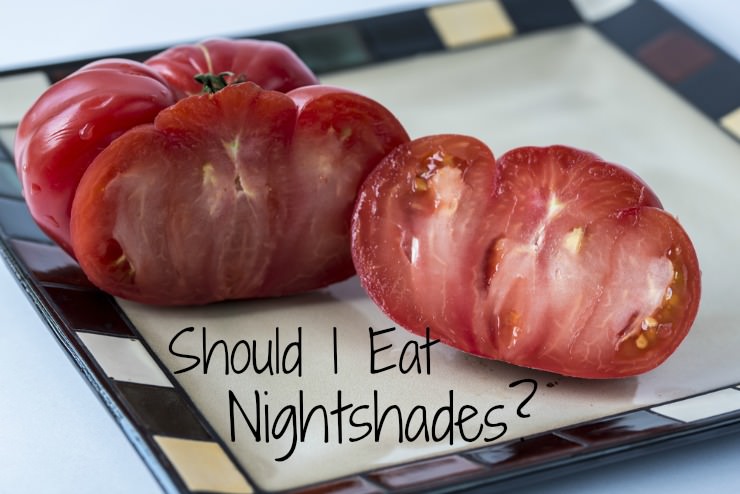
Are Nightshade Vegetables Worsening you Pain?
It is almost foodie sacrilege to suggest that a group of colorful, antioxidant rich vegetables ubiquitous within the Western diet might not be as healthy as the natural food community paints them to be. This is exactly what this article is going to attempt to do – wade you through the process of considering whether nightshade vegetables might in fact be worsening your health symptoms even if they are grown organically in nutrient dense soil.
Hopefully not, as nightshade veggies are delicious! But, it makes sense to investigate the possibility especially if you have issues with chronic pain, arthritis, or GERD among other challenges..
First, let’s examine exactly what the nightshades are and what health problems they sometimes exacerbate for those who are sensitive.
What are the Nightshade Vegetables?
Nightshades are members of a large family of plants called Solanaceae. The plants to consider as potentially problematic are the nightshade vegetables that are widely used in the Western diet primarily including:
- White potatoes
- Eggplant
- Peppers (not peppercorns)
- Paprika
- Pimentos
In addition, the nightshade family includes a few fruits as well:
- Tomatoes
- Goji berries
- Ground cherries
- Cape gooseberries
- Garden huckleberries
It really is hard to imagine that these delicious and antioxidant rich vegetables and fruits might in fact be worsening some very serious health challenges even if they are not the true cause of the problem.
Here are some of the most common health problems that consumption of nightshades can worsen:
- Weather change sensitivity
- Muscle pain and tightness
- Osteoarthritis
- GERD
- Bone spurs
- Kidney stones
- Gall bladder problems
- Insomnia
- Stiffness in the morning or after sitting for extended periods
- Joint pain and cracking
Why does a nightshade sensitivity contribute to these health challenges? The problem stems from several chemicals in nightshades, one that will undoubtedly shock you as it did me.
Nightshades Contain Nicotine
Believe it or not, all nightshades contain nicotine, the addictive stimulant also found in the tobacco plant. This is why many folks crave nightshade vegetables and fruits and find it hard to eliminate them from the diet in attempts to see if symptoms will improve. My grandmother was addicted to tomatoes, so much so that it seemed hard for her to go a single day without slicing one up and eating it just like an apple. She also suffered from osteoarthritis. I’ve often wondered if she actually suffered from a nightshade sensitivity.
Nicotine is known to inhibit proper healing such as a rotator cuff tear or knee injury. If you have an injury that doesn’t seem to be healing fast enough, elimination of nightshades for a time may help things along (1).
Solanine: Why You Should Discard Sprouted Potatoes
Solanine is a poison found in nightshade vegetables, particularly potatoes and eggplant.
Solanine is naturally produced by the potato as a defense against insects, disease, and animals. Exposure to light increases solanine production as this helps prevent a potato which is out of the ground from being eaten. This process turns the potato green under the skin. If your potatoes look green when you peel them or have sprouted, be sure to discard as they are likely too high in solanine for safe consumption.
Frying or boiling potatoes effectively reduces (but does not eliminate) solanine in potatoes as it moves out of the potatoes into the frying oil or water. Microwaving or baking potatoes does not seem to reduce solanine levels appreciably.
People sensitive to poisoning with solanine typically experience gastrointestinal and neurological symptoms such as:
- Nausea
- Diarrhea
- Vomiting
- Stomach cramps
- Burning in the throat
- Headache and/or dizziness
The reason solanine is considered poisonous is because it inhibits the breakdown of the neurotransmitter acetylcholine which can prolong muscle contractions. One commonly observed result is stiffness in the morning or after sitting for extended periods of time.
Some holistic physicians are so concerned about the solanine levels in potatoes and eggplants that they advise pregnant women to avoid them. This is due to research linking the potato blight in Ireland with birth defects in subsequent years (2). Potato blight causes a higher than normal production of solanine by the potato plant.
Soft Tissue Calcification from Nightshades
Calcinosis is a condition that involves calcification of the soft tissues. Nightshades can contribute to this condition because they contain calcitriol, a very powerful hormone, possibly the most powerful in the human body. The purpose of calcitriol is to signal the intestines to absorb calcium from the food that has been consumed. This is, of course, a critical function and necessary to maintain proper bone density. It just gets problematic when there is too much calcitriol for the body to deal with via normal channels.
The kidneys very tightly regulate calcitriol production because too much from any source leads to high blood calcium, also known as hypercalcemia.
When hypercalcemia occurs, the body attempts to bring everything back into balance as quickly as possible. This is because mineral imbalance in the blood such as what occurs with high blood calcium can negatively affect heart health.
The fastest way for this to be accomplished is by depositing the excess calcium into the soft tissues, overriding kidney control of the process. These tiny calcium deposits can really add up over time and trigger calcinosis. The calcium deposits can occur in a wide variety of soft tissues including tendons, cartilage, kidneys, skin or blood vessels (coronary artery disease).
Bypassing the kidney’s control over calcitriol levels which involves the emergency measure of depositing excess calcium in the soft tissues is very serious situation to have occur over long periods of time. Overconsumption of nightshade vegetables or fruits can contribute to the calcification process. Because the process is so gradual over long periods of time, many people may not notice the connection.
If you suffer from osteoarthritis, bone spurs or other calcification of the soft tissues including skin, elimination of nightshades from the diet should definitely be considered to observe whether pain and discomfort is reduced.
Here are some other symptoms that can occur from excess calcitriol from any source (nightshades, injections or supplements):
- weakness
- insomnia
- nausea
- dry mouth
- constipation
- muscle pain
- bone pain
- metallic taste in the mouth
- gall bladder problems
- fatty stools
- jaundice
- psychosis (rare)
How to Avoid Nightshades in the Diet
If after reading the above, you think it might be worth a shot to eliminate nightshades for a short period of time to see if things improve, know that it will be a trickier task than you might initially expect.
Nightshades are everywhere in the Western diet! If you think this isn’t possible as the conventional American diet doesn’t tend to involve many vegetables, I have one word for you:
Ketchup.
Need I say more?
Another nightshade to watch out for is paprika as it is used in many flavorings and hidden under “spices” on food labels. If you are trying to avoid nightshades for a time to see if symptoms improve, particularly for arthritis pain, you will likely need to avoid any food that lists “spices” on the ingredients list.
Garrett Smith, a Naturopathic MD, suggests going completely off nightshades for a minimum of 6 weeks to see if pain symptoms subside (2). Many people will notice an improvement in their osteoarthritic pain or other symptoms; in some cases it may disappear completely.
If no appreciable improvement is noticed after that period of time, Dr. Smith recommends what he calls a “nighshades party day” with nightshades consumed at every meal for a 24 hour period. An example would be salsa and eggs for breakfast, tomato and eggplant for lunch, potatoes for dinner. Eat it all and eat a lot. Then, stop eating them again and watch symptoms over the next two days as there can be a delayed reaction.
Vitamin K2 Crucial to Resolving Calcification Issues
An interesting question to ponder is why are some people more sensitive to nightshades than others? Dr. Smith suggests that nutrient deficiencies as well as genetics play a role in all of this. For instance, being magnesium or Vitamin D deficient renders one more susceptible to calcinosis.
However, the efficiency with which the liver and kidneys detoxify plays a big role as well and this is based on one’s heritage and vital organ health at birth.
One nutrient to strongly consider supplementing with if calcification issues are a problem is Vitamin K2. This fat soluble wonder vitamin has already been shown to reverse calcification of the coronary arteries (3). In research on rats, K2 prevented calcification of the soft tissues when excessive Vitamin D2 was supplemented in the diet (4).
So, if you love your nightshades and don’t want to experience any negative effects from eating them frequently, be sure to consume adequate Vitamin K2. The foods highest in K2 are (in order): natto, goose liver, emu oil, brie and gouda cheese, and grassfed butter.
In addition, a supplement of Vitamin K2 should also be carefully considered. This is the nonGMO K2 supplement we take in our family on a daily basis along with grassfed butter oil and emu oil capsules.
Taking chances with calcification anywhere in the body is a big risk whether or not someone chooses to eat nightshades. In particular, if there are calcification issues genetically within your family already even with no symptoms appearing at the present time, adequate intake of Vitamin K2 is quite possibly the most positive preventative step you can take.
Sarah, The Healthy Home Economist
Sources and More Information
Subscribe to:
Posts (Atom)