Thursday, May 3, 2018

The Homeopathic Answer to Mumps

Subscribe to our informative Newsletter & get two FREE E-Books

Our newsletter serves 250,000 with essential news, research & healthy tips, daily.

  
Easy Turmeric recipes + The Dark Side of Wheat

The Homeopathic Answer to Mumps

It is becoming increasingly clear that the MMR (measles, mumps, rubella) vaccine is failing to live up to its alleged preventative benefits. We’ve already seen small outbreaks of measles in the U.S. and now mumps appears to be making a comeback. And even though homeopathy is an effective alternative treatment for mumps, mainstream medicine doesn’t really want you to know about it.
The conventional medical answer to mumps outbreaks is a good example of the proverbial definition of insanity. In spite of the fact that the large majority of cases involve previously vaccinated individuals, medical authorities recommend more boosters of the same vaccine that didn’t work in the first place.
Mumps is a communicable viral illness that localizes primarily in the parotid and salivary glands. It is easily spread by contact and affects mostly children and young adults. Also known as parotitis, mumps symptoms include inflammation and swelling of glands in the region of the cheeks, jaw, and in front of and beneath the ears. The swollen face of a person with mumps resembles the puffy cheeked appearance of a hamster. Other common symptoms include painful swallowing, fever, chills, body aches, headache, and malaise.
As is true with measles, the dangers regarding mumps have been deliberately overhyped. The vast majority of mumps cases are completely benign. The medical establishment whips up as much fear as possible regarding these illnesses, and the knee-jerk media runs with each new storyline because it’s good for ratings. Although the intent is to promote vaccination in general, the MMR vaccine is clearly not producing the immunity that has been promised. (A serious discussion of the well-documented risks of the MMR vaccine is a separate topic that would require too much space here.)
It is true that mumps can occasionally spread or “metastasize,” producing similar symptoms of inflammation and swelling in other glands, especially the breasts in women and the testicles in men. Although it is always a good idea to seek professional help, it is especially important to do so in cases of metastasis.
Because conventional medicine has no actual treatment for mumps, it focuses on prevention through vaccination. Once a person contracts mumps, medicine can only recommend common sense supportive measures. Adequate rest and hydration are certainly advisable, but symptomatic relief with drugs can be less than desirable given their suppressive nature, especially in light of that fact that homeopathy has so much more to offer. (For similar reasons regarding the lack of available conventional treatments, I’ve previously written about homeopathic care for both measles and whooping cough.)
The UK’s National Health Service website states the following about mumps:
The good news is that homeopathy is a medical therapy par excellence for boosting the immune system. And although the medical establishment has its head buried deep in the sand when it comes to the power of this unique holistic therapy, believe it or not, there are a number of specific homeopathic medicines that can be effectively used to treat mumps.
Successful homeopathic treatment always depends upon identifying the unique features of each individual case of illness, and that same principle applies to the treatment of mumps. The key question is, what makes one particular case of mumps different from another? While one person may have a high fever, red face, and swollen right parotid gland, another may have swelling on the left side of the face, may complain of feeling cold, and may feel restless and unable to lie still. Although both have mumps, they have noticeably different symptom profiles. These are exactly the kinds of clues that can be useful in homeopathic prescribing.
Let’s review the symptom profiles of some common mumps remedies:
Pulsatilla is a commonly indicated mumps remedy, especially when the child feels warm, throws the covers off, and lacks thirst, preferring to drink very little. The child may act weepy and clingy, prefers company, and wants comfort and attention from caregivers. This is also the main remedy for mumps that has metastasized to the breast or testicles.
Rhus toxicodendron is another commonly indicated mumps remedy. It suits cases with left-sided swelling, especially when there is restlessness that prevents the person from being able to sleep or rest comfortably. The child tosses and turns, feels chilly, and may complain of a stiff neck or general stiffness. Also indicated in cases that have metastasized to the testes.
Belladonna is more suitable for right-sided cases of mumps. Sudden onset of high fever, often around 3PM, with throbbing sensations, especially throbbing headache, are distinguishing clues. There is often a bright red flushed face with cool extremities.
Mercurius vivus is indicated when the characteristic clues of bad breath, metallic taste in the mouth, and excessive salivation are present. The person may drool on the pillow during sleep. There is fever with perspiration, and the person is sensitive to slight temperature changes, alternatingly feeling warm, then cold, then warm again.
Bryonia alba is a commonly indicated remedy for many acute illnesses. The distinguishing feature is any symptom that compels the person to remain quiet and motionless. Any movement can aggravate the symptom in question (headache, cough, body aches, or face/neck pain in the case of mumps). The person is usually irritable, chilly, and prefers large quantities of cold drinks at long intervals.
Bromium is particularly suited to left-sided cases of mumps where the involved gland is swollen and very hard. There may be hoarseness of the voice with a cough that becomes aggravated in a warm room.
Carbo vegetabilis fits cases that involve the stomach, often with bloating, indigestion, and a great deal of belching. The gland may be hard, and the person feels weak and chilly, but desires air, even preferring a fan blowing.
Lycopodium should be considered when mumps begins on the right and then spreads to the left side.
Lachesis may be the remedy of choice when mumps begins on the left and then spreads to the right side.
Hepar sulphuris is suited to cases that are very painful, where the person is quite irritable, very chilly, and dislikes any exposure to cold. Warmth may be the only thing that soothes the pain.
Additional remedies that may be useful for mumps:
AconitumApis mellificaBaryta carbonicaCalcarea carbonicaCistus canadensisSilicea
A few doses of the correct remedy administered (preferably in a 30c or 30x potency) over a 24-48 hour period can catalyze a healing response that becomes apparent as symptoms diminish. If improvement is not forthcoming, it is reasonable to try another remedy that matches the symptom profile of the sick individual. Once the correct remedy is taken, recovery should not be far behind. Homeopathy should be the first line of treatment in all active cases of mumps.
Disclaimer: This article is not intended to provide medical advice, diagnosis or treatment. Views expressed here do not necessarily reflect those of GreenMedInfo or its staff.

8 Homeopathic Remedies for Plants and Animals


date_range
April 30, 20182 Share


Recently, Marjory was kind enough to feature me as a Local Changemaker on The Grow Network blog. When I completed the interview, I felt there was more to share. We especially did not discuss how homeopathic remedies extend beyond medicine for humans to include the treatment of our pets, livestock, and agriculture.
Homeopathic Remedies for Plants
Did you know that homeopathic remedies can help weak, pest-infested, and frost-damaged plants—and can even build them up?
Give Your Plants a Springtime Boost
You can strengthen plants in the early spring by giving them Silicea 200C (made from silica, a building block of all cells). Place 6–8 pellets in water to melt them, then use that liquid to water trees and shrubs by pouring it directly on their trunks and in the soil around them.
Treat Downy and Powdery Mildews
Since homeopathy is symptom-driven, different presentations of the same disease may require different homeopathic remedies. That is the case with both powdery mildew (which thrives in dry, warm weather) and downy mildew (which appears in damp conditions).
Use the following homeopathic remedies to treat powdery and downy mildew, but pay special attention to the symptoms of the disease and treat accordingly.
When the symptoms of each disease are as follows, the remedy of choice is Cuprum metallicum 30C:
  • Powdery Mildew: White, moldy layer on the upper sides of leaves (can be wiped off)
  • Downy Mildew: Gray-to-violet coating underneath the leaves after rainy weather
But the remedy of choice is Natrum sulphuricum 30C when the following symptoms are present:
  • Powdery Mildew: Grayish-white mold on stalks and upper sides of leaves
  • Downy Mildew: Gray or grayish-violet under the leaves after warm, humid weather
Treat Gray Mold on Strawberries
Another homeopathic remedy that benefits plants is the use of Calcaria phosphorica 6C and Ammonium carbonicum 30C to treat gray mold (Botrytis) on strawberries. This condition is due to deficiencies of calcium, phosphorus, and magnesium and to excess nitrogen in the plants. Using Calcaria phosphorica 6C and Ammonium carbonicum 30C resolves this deficiency and toxicity.
Also keep in mind that when Botrytis is present, you should not use artificial fertilizers or fresh or composted animal excrement. Just apply compost made from plants to ensure a less acidic environment.
Homeopathic Remedies for Animals
Let’s move on to animals. As I mentioned above, homeopathic remedies are chosen based on symptoms. This is as true for animals as it is for plants and humans.
Following are some examples of symptoms commonly found in horses (although you could replace the word “horse” below with “goat,” “cat,” “cow,” etc.—the same remedy would be used for any animal exhibiting these specific symptoms):
  • Do you have a horse with anxiety that is restless, fearful, or suffering from gastritis? Try the remedy Arsenicum album.
  • Or has he gotten sick with a fever, developed bronchitis, become irritable (wants to be left alone), and started thirsting for large amounts of water? Try the remedy Bryonia.
  • Or maybe she has digestive issues, along with apathy, indifference, sluggishness, and lack of reaction? Try the remedy Carbo vegetabilis.
I use a horse as an example with 3 different sets of issues to demonstrate how observation is key to choosing the correct remedy. Again, if you see these specific symptoms being exhibited in an animal of any other species, the same remedy would be used.
To offer another example, if a dog overindulged in his food (and everyone else’s he could steal when you weren’t looking) and later appeared bloated and irritable, I’d give him Nux vomica. If the horse out in the pasture overgrazed on grass and was bloated and irritable, Nux vomica would also be the remedy to relieve his discomfort. 
How to Administer Homeopathic Remedies
Homeopathic remedies for animals can be dropped into their water.
Dosage is not an issue with homeopathy. It is not like milligrams of pharmaceuticals. Remedies consist of little sugar pills, and the medicine is sprayed on the pills during the manufacturing process. The sugar pills serve as the carrier for the medicine, so 4 pellets, 6 pellets, or 8 pellets are all okay. Use your best judgment based on the amount of water you are dropping them into. You can also dissolve a few pellets into a little water and use a syringe to dispense the liquid directly into the animal’s mouth. 
In addition, you can purchase remedies as liquid tinctures. Although they aren’t readily available in the United States, you can purchase them online from other countries. My favorite source is Helios in the United Kingdom. Ordering from them is easy, and the tinctures usually arrive within a week. Here is the link: https://www.helios.co.uk/
3 Major Differences Between Homeopathic Remedies and Pharmaceuticals
So what are these remedies? Dr. Samuel Hahnemann (1755–1843), who developed the concept of homeopathy, recognized something that most doctors did not (and still don’t): There is an energy that drives all of nature. It is also referred to as a life force, vital force, vitality, or energetic signature.
Difference #1: Restoring Balance
The human body is subjected to a number of insults at every moment—changes in temperature, physical strains, and exposure to toxins or germs. In spite of all this, we rarely fall ill. And even if we do, we get well most of the time. We cannot escape the conclusion that there is a force within all of us that coordinates our system—a force that helps to keep the balance between us and our surroundings. Hahnemann recognized it as a function of life itself.
When we do get sick, it is because that life force, or vitality, has been disturbed. The disturbance of the vital force is the real dis-ease and that is what needs correction.
Homeopathy addresses these disturbances. Just as it takes a clear signal to tune into your favorite radio station, a clear energetic signal is the key to restoring balance to the organism, whether it be plant, animal, or human.
This is the first major difference between homeopathy and pharmaceutical medicines.
Difference #2: Like Cures Like
The second difference is the concept that “like cures like.” You see this in nature everywhere you look.
Let’s use stinging nettle as an example. It comes by its name quite honestly. Who hasn’t accidentally run into a patch and come out hollering, knowing you are about to come down with an itchy, burning rash? The homeopathic remedy Urtica urens is made from the stinging nettle plant that has been diluted and attenuated. When utilized for a rash, hives, prickly heat, or any other skin issues that exhibit similar symptoms, the results are nothing short of miraculous.
Difference #3: Dosage
The third difference between homeopathy and other forms of medicine is the tiny amount it takes to be effective. As mentioned previously, it rebalances disturbed energy patterns.
The body is a brilliant mechanism and only needs the correct information to right itself (as do plants and animals).
My point in moving from explaining the use of homeopathy for humans to discussing plants and animals is that we all have the same carbon structure, and therefore we are all healed in the same way. I have used these remedies on plants, animals, and humans for nearly 30 years—and I have yet to be disappointed.
Interested in Learning More About Homeopathic Remedies?
If you’re interested in learning more about homeopathy, you might want to consider reading my new book, MASTERING ALTERNATIVE MEDICNIE: Your Family’s Guide to Wellness, Volume I, which will be released in the next two months.
The companion book, MASTERING HEALTH: Secrets to Success, is geared toward those who are new to homeopathic remedies, and it offers a much more in-depth explanation of homeopathy and other natural medicine practices. It also covers top homeopathic treatments and their uses, plus case studies so that readers can gain a better understanding of how to dispense the remedies.

I will be offering a free download of MASTERING HEALTH: Secrets to Success to members of The Grow Network Community when they purchase MASTERING ALTERNATIVE MEDICINE: Your Family’s Guide to Wellness, Volume I. More details will be available soon, so stay tuned!

Even a Mild Head Injury Increases Your Risk for Parkinson's Disease

Even a Mild Head Injury Increases Your Risk for Parkinson's Disease

head injury

Story at-a-glance

  • The accumulation of mild head trauma over time has been shown to raise your risk for neurological dysfunction later in life. This includes not only Alzheimer’s but also another neurodegenerative process, Parkinson’s disease
  • According to recent research, even a single concussion could increase your risk for Parkinson’s by 56 to 83 percent, depending on the severity of the injury
  • Those with one or more TBIs in their past also received a diagnosis of Parkinson’s on average two years earlier compared to those who had never had a TBI
  • Telltale signs of TBI include poor concentration, mood changes, irritability, changes in your ability to focus and follow through on mental tasks, poor word recall, foggy thinking and sleep problems
  • Commonsense strategies that will lower your risk of suffering a TBI are discussed, as are helpful treatment aids that will facilitate brain healing
By Dr. Mercola
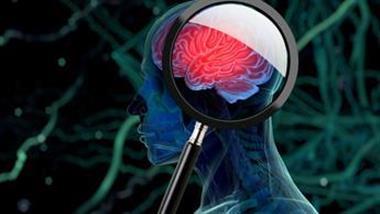
According to some estimates, as many as 90 percent of the population have experienced some form of traumatic brain injury (TBI), be it from a car accident, slip and fall incident or simply hitting your head on a cabinet. Unfortunately, most go undiagnosed and untreated, and the accumulation of low-grade concussions over time has been shown to raise your risk for neurological dysfunction later in life. This includes not only Alzheimer’s but also Parkinson’s disease.1,2
Parkinson's disease is a neurodegenerative disorder in which neurons in dopamine-producing cells within a region of your brain known as the substantia nigra, which is required for normal movement, begin to weaken and die. Symptoms, which typically progress over time, include tremors, slow movement, rigid limbs, stooped posture, an inability to move, reduced facial expressions, and a shuffling gait. The condition can also cause depressiondementia, speech impairments, personality changes and sexual difficulties.

Concussion Linked to Increased Risk of Parkinson’s Disease

According to recent research published in the journal Neurology,3 even a single concussion could increase your risk for this degenerative brain disease. Here, “concussion” was defined as loss of consciousness for up to 30 minutes or alteration of consciousness and/or amnesia for up to 24 hours.
Medical records of nearly 326,000 U.S. military veterans ranging in age from 31 to 65 were evaluated in this retrospective cohort study, showing that a TBI resulting in loss of consciousness raised the risk of Parkinson’s by 56 percent.
Veterans who experienced more serious TBIs (classified as moderate-to-severe) were 83 percent more likely to develop Parkinson’s. Overall, all-severity TBI (i.e., TBIs of any severity classification) was associated with a 71 percent increased risk. Those with one or more TBIs in their past also received a diagnosis of Parkinson’s on average two years earlier compared to those who had never had a TBI.
Lead author Dr. Raquel Gardner,4 staff neurologist at the San Francisco Veterans Affairs (VA) Medical Center and assistant professor in the department of neurology at the University of California, San Francisco (UCSF) told Reuters:5
“This is not the first study to show that even mild traumatic brain injury increases the risk for Parkinson’s disease.6 But we were able to study every single veteran across the U.S. who had been diagnosed at a Veterans Affairs hospital, so this is the highest level of evidence we have so far that this association is real … While on an individual level the actual amount of risk is pretty low, on a population level this could translate into a lot of people being affected [with Parkinson’s].”

Implications for General Population

Coauthor Dr. Kristine Yaffe, professor of psychiatry, neurology and epidemiology at UCSF and the VA, added that these findings have “important implications for the general population” as most of the TBIs veterans suffered actually occurred during their civilian life, not during active service. As of yet, the exact mechanism behind the TBI-Parkinson’s link is unknown. According to Gardner:7,8
“We don’t have brain autopsies, so we don’t know what the underlying biology is. But in Parkinson’s you see abnormal protein accumulation, and there’s some evidence that TBI is linked to deposits of these abnormal proteins … The TBI might directly trigger changes in the brain that weren’t there before.
The other possibility is that maybe there was a process already happening in the brain and the person might have gotten Parkinson’s disease [anyway] many years later. But the brain injury made the symptoms come on sooner and the diagnosis come sooner. We need more studies to unravel the biology behind what’s going on here.”
That said, the authors stressed that TBI in no way assured the development of Parkinson’s. Ninety-nine percent of veterans with TBIs did not develop Parkinson’s, so individual risk is still very low, even with a TBI. The disease is also strongly dependent on lifestyle factors such as diet and exercise. As noted by Gardner, “If anyone is worried, do a little bit better to live more healthily.”9

Telltale Signs of TBI

Oftentimes the head injury doesn’t seem severe enough to have caused TBI, which is why symptoms are often overlooked. Common telltale signs of head trauma — which need to be addressed — include:
  • Poor concentration and foggy thinking
  • Impaired word recall
  • Mood changes, irritability and emotional dysregulation
  • Lowered ability to focus and follow through on mental tasks
  • Sleep problems or hypersomnolence
Whenever you experience an injury to your head, regardless of how severe it appears to be, it’s important to pay careful attention to any psychological changes that might occur over the coming week or two. Signs such as those mentioned above are indications that your nervous system is on high alert due to an inflammatory cascade, which presents itself as psychological and cognitive downstream effects.
Adults injured at home will be able to self-reflect and notice psychological and neurological changes. Children on the other hand may not be able to do this, and need to be carefully monitored by their parents for changes in behavior and function. If you notice a change in your child within the days or weeks following a head injury, a more comprehensive medical evaluation and workup is strongly recommended to avoid long-term repercussions.

How to Prevent TBIs

There are a number of commonsense strategies that will help prevent the occurrence of a TBI in the first place. This includes the following:10   
Always wear your seat belt when driving or riding in a car, and never drive while under the influence of alcohol or drugs. This includes many prescription drugs that may alter your ability to drive safely, such as opioid pain killers, which are now responsible for more fatal car crashes than drunken driving.
Also make sure your child is properly buckled into a child safety seat while driving. Infants should be kept in a rear-facing seat that has been properly secured in the back seat, not the front passenger seat. Children aged 2 to 5 should be in a forward-facing seat in the back seat until they exceed the height or weight limit for the seat.
Ages 5 to 9 should ride in a front-facing booster seat in the back seat. Never drive with a child aged 12 or under in the front passenger seat, as deployment of the air bag may cause severe injury or death to undersized passengers.
Wear a helmet when:
Riding a bicycle, motorcycle or any other motorized vehicle, including off-roading with an all-terrain vehicle
Playing contact sports
Skating or skateboarding
Playing baseball or softball
Horseback riding
Skiing or snowboarding
Safeguard the elderly in your home by:
Removing tripping hazards such as throw rugs and clutter
Using nonslip mats in bathtub and shower
Installing grab bars next to your toilet, tub and shower and handrails along both sides of stairways
Improving lighting
Maintaining a regular physical activity program to maintain or improve strength and balance
Safeguard children in your home by:
Installing window guards
Using safety gates at top and bottom of stairs
Using nonskid bathmats and nonslip mats in tub and shower
Never leave your child unattended in a highchair
Make sure your child’s playground has shock-absorbing material such as hardwood mulch or sand in key areas where falls are likely to occur

Long-Term Effects of Accumulative TBIs

Long-term, chronic traumatic encephalopathy, i.e., the accumulation of low-grade concussions over time, accelerates the process of dementia. If you are genetically predisposed to Alzheimer’s by having one or two ApoE4 alleles and suffer a TBI, your risk of Alzheimer’s increases at least tenfold. Stacked with an inflammatory diet and other lifestyle factors such as lack of exercise and not fasting (which promotes neuroregeneration), the process of neurological degeneration is further exacerbated and accelerated.
In his book, “The Concussion Repair Manual,” Dr. Dan Engle, provides comprehensive guidance on how to recover from TBIs. I recently interviewed him about this, and if you missed it, you may want to review it now. Engle discusses a variety of healing strategies in his book, including nutritional components that optimize brain function and help repair neurological function in case of injury. I’ll review some of these at the end of this article.

The Importance of Omega-3 Fats

Among the most important nutrients for brain health are the animal-based omega-3 fats docosahexaenoic acid (DHA) and eicosapentaenoic acid (EPA). The department of surgery at Oregon Health & Science University now advocates use of omega-3 supplements presurgery, because outcomes are so much better. Animal-based omega-3 has also been shown to protect your brain against damage associated with dementia. 
Omega 3 fats affect cellular health and DNA chiefly by how they influence your cell membranes. It is these cell membran­­­­es that are critical in switching your genes on and off, because cell membranes contain receptors that respond to hormones and other agents, and these are affected by the fatty acids on their surface.
Your cell membranes contain EPA, DHA and phospholipids, and all help to shuttle molecules into and out of your cells. So, having adequate fatty acids in your system is crucial to keeping your cell membranes working properly.
DHA is especially important, as it is a structural component of every cell in your body that helps regulate communication within the cell and between cells, and has a profound influence on mitochondrial health. It’s particularly crucial for your brain, as more than 90 percent of the omega-3 fat found in brain tissue is DHA. There are actually specific transporters for DHA in your blood-brain barrier that shuttle these molecules in a very precise way into the cell membranes where they belong.

The Omega-3 Index Test Is an Important Health Screen

I believe the omega-3 index test can be an enormously important health screen — regardless of whether you’ve already had a TBI or not, as optimizing your omega-3 level can help cushion the effects of a future head injury. As with vitamin D, getting your level tested is really the best way to customize your dosage to ensure sufficiency, because requirements for omega-3 will vary depending on your lifestyle.
Your intake of fatty fish, for example, and your level of physical activity will play a role. Athletes tend to burn off their omega-3 quite rapidly, as the DHA gets burned as fuel rather than being used as a structural component of their cell membranes. Hence they will need higher dosages.
Seafood is your best source of DHA and EPA. However, it's important to realize that not all fish contain these fats. Tilapia, for example, contains neither. The fish needs to be harvested from cold water, as this is where the fish richest in omega-3 fats are found. Some of your best options for clean fats are wild-caught Alaskan salmonsardines and anchovies.
An excellent alternative, if you do not want to eat fatty fish, is to take a krill oil supplement. I firmly believe krill oil is superior to fish oil. Although both contain EPA and DHA, krill oil is bound to phospholipids that allow these omega-3 fats to travel more efficiently through your bloodstream. Hence, it's more bioavailable.

TBI Treatment Aids

Other helpful interventions for TBIs, which are discussed at depth in Engle’s book, include the following:
Curcumin
Curcumin, one of the most well studied bioactive ingredients in turmeric, has been shown to have over 160 potentially therapeutic activities. Many of curcumin's benefits are attributed to its ability to quench inflammation, which is a hallmark of most chronic diseases. Importantly, it has the ability to cross your blood-brain barrier and exhibits potent neuroprotective properties, suggesting it may be useful for neurodegenerative disorders.
Researchers at the University of California recently demonstrated it may have long-term effects on your cognitive function by protecting against brain inflammation.11 Curcumin has also been shown to enhance neurogenesis and improve cognition by increasing levels of brain-derived neurotrophic factor (BDNF).12 Reduced levels of BDNF have in fact been linked to Alzheimer's disease, and correlate with the level of motor impairment in patients with Parkinson’s.13
Hyperbaric oxygen
By saturating your tissues with oxygen, the oxygen is able to get into all of the neuroreparative mechanisms in your entire neurologic system. It accelerates all wound repair processes, be it in peripheral vasculature or in central vasculature, around the nervous system, brain and spinal cord.
An alternative for home use would be Exercising with Oxygen Therapy (EWOT). It’s not as effective as hyperbaric oxygen treatment for neurological recovery because you’re not saturating the tissues with oxygen, just your blood, but you can still benefit if you have a low partial pressure of oxygen (low oxygen in your blood).
Low-light laser therapy (LLLT), also known as photobiomodulation, which can be done using either lasers or light-emitting diodes (LEDs).
“There are a lot of different studies that show light is beneficial,” Engle says. “When we’re talking about neurologic recovery or building adenosine triphosphate (ATP) production, driving mitochondrial function, there are certain wavelengths that seem to be optimal for that.
Most of the wavelengths for neurologic recovery are going to be in the near-infrared (810 to 830 nanometers) and far-infrared spectrum. There are some handheld devices that can be used.” Red light in the 660-nanometer frequency is also beneficial, and many technologies will combine red with near- and far-infrared.
Pulsed electromagnetic field therapy (PEMF)
Engle explains, “If we’re optimizing voltage and frequency into the cell, then there are going to be energy thresholds below which disease happens, and above which optimized function happens. PEMF tends to raise the voltage and the energy in the cell, in the system globally, to improve physiologic function.
I use a combination of both low-voltage systems and high-voltage systems. There’s a low-voltage system called a Bio Electromagnetic Energy Regulation (BEMER). There’s a high-voltage system called the Pulse. I found benefits in both … There’s also a subset of pulsed frequencies called transcranial magnetic stimulation, which is more based in magnetic impulse to the brain.”
Transcranial direct current stimulation (TDCS)
TDCS provides a more global stimulation, so while some patients experience good results, others do not, due to lack of specificity. According to Engle, if it’s going to work, you’ll notice results quickly. If no benefit is noticed in the first few sessions, move on to some other therapy.
Electroencephalography (EEG) and neurofeedback are similar technologies of varying complexity.
“You go into master your ability in real time to see where your brainwave patterns are firing, and then to lock into the necessary thought modalities and internal states to be able to consistently access an alpha state,” Engle explains. Alpha states are indicative of calmness and centeredness.
“If I can access that and find that place within myself, then I’m starting to generate my own sense of personal empowerment.” The Evoke system is an easy one to use. It involves watching a movie for 20 to 30 minutes. Your focused attention will keep the movie playing. When your attention drifts, it slows down and loses volume.
Cannabidiol (CBD) oil
“CBD is up there with fish oil for neuroreparative support,” Engle says. “Cannabis has two primary therapeutic components; one is tetrahydrocannabidiol (THC) and one is CBD. THC has a psychoactive component. CBD has a neuro-reparative component.
There seems to be an upregulation effect or an enhanced effect if there’s a little bit of THC with CBD. The CBD to THC ratio will be like 20-to-1. We’ve consistently seen benefit in the neurologic system, whether it was stroke recovery, concussion recovery or seizure and epilepsy support … There seems to be this neurologic repair effect.
The CBD receptors are globally affiliated with neurologic function throughout the entire brain. When we’re engaging and stimulating those receptors, we see the neurochemical cascade toward repair, regardless of the input, but particularly with concussion. That’s why during the acute phase, if somebody has an injury that is significant, I say, first and foremost, do [these] things:
1) Lifestyle management. Get quiet. Float if you can. 2) Take fish oil, take CBD, vitamin D and melatonin, particularly if there are issues with sleep. Boost the antioxidants.” CBD may actually be a really potent stimulator of nuclear factor-like 2 (Nrf2) pathway, which stimulates the hermetic production of antioxidants in your body.