Friday, May 4, 2018

Watch Out This Invisible Hazard Can Spell Doom for your Dog
Watch Out: This Invisible Hazard Can Spell Doom for Your Dog
- 707 views

Story at-a-glance
- The late spring and summer months mean foxtail (plant awn) season depending on where you live and travel with your dog
- Foxtails can quickly make their way into your dog’s body through any opening, including the nose, eyes, ears and mouth; they can also puncture the skin
- Once inside the body, foxtails can create abscesses, damage tissue, cause infection and can potentially be lethal
- If you take your dog to outdoor locations where plant awns grow, it’s imperative that you check him from nose to tail several times a day, and remove any foxtails in his coat or between his toes
- If you suspect a foxtail has made its way into your dog’s nose or throat or ear, or you see an oozing sore or draining tract, get him to a veterinarian or emergency animal clinic right away
By Dr. Karen Shaw Becker
The warm summer months are upon us, and I know many of you have lots of outdoor activities planned that include four-legged family members. So this is a good time for a reminder to avoid foxtails when you’re out and about with your dog.
If you’ve never heard of them, foxtails are treacherous little plant awns that grow from the ear or flower of many types of grasses. They have hairy-looking little appendages that have spikes and sharp edges designed to attach securely to whatever or whoever happens by so they can spread their seeds to surrounding areas.
Foxtails grow all over California, have been reported in almost every state west of the Mississippi and are spreading to the east coast of the U.S. as well. There are several varieties, both native and non-native, but only some have harmful spurs. One dangerous variety is foxtail barley, which is found across the U.S. except in the south Atlantic and Gulf Coast states, and also grows throughout Canada and in parts of Mexico. Other harmful varieties include the giant foxtail, cheatgrass and ripgut brome.
In recent years, Midwestern states have seen a sharp increase in foxtail-related infections in dogs, especially sporting and hunting dogswho run through thick brush where they can inhale or swallow foxtails. Bottom line: if you live where foxtails grow, you and your dog can encounter them in parks, open fields, on city sidewalks and even in your own backyard.
Why Foxtails Are so Dangerous
In late spring and early summer, foxtail plant heads turn brown and dry, and scatter across the landscape. The tiny spikes on the plant heads allow them to burrow into soil, and wildlife also helps spread them around.
Virtually any exposure your dog has to grass awns is potentially hazardous. The foxtails inevitably make their way into the noses, eyes, ears, mouths and just about every other opening of dogs' bodies, including the vulva and penis. They can get deep into your dog's nostril or ear canal or under the skin in no time, and often too fast for you to even notice them.
These deadly little plant heads can burrow into your dog's fur and pierce the skin, often between the toes. They can end up virtually anywhere in your pet's body, and symptoms depend on where the foxtail is located. For example, if your dog is shaking her head, there could be a foxtail in an ear canal. If she's suddenly sneezing uncontrollably, she could have one in her nose. Foxtails in the lungs can cause coughing and difficulty breathing.
A dog's body isn't capable of processing foxtails and can neither degrade nor decompose them. To make matters worse, foxtails carry bacteria and can only move in one direction (forward). Unless they’re found early, they can continue to travel throughout a dog's body, creating abscesses, damaging tissue and causing grass awn disease.
A grass awn infection can be very difficult to diagnose, in part because the infection occurs behind the migrating foxtail. In addition, foxtails are hard to see using traditional imaging techniques, because they are small, covered with infection and scar tissue, and are invisible on x-rays.
As you can probably imagine, once a foxtail is roaming around inside your dog's body, it can be incredibly difficult to find. It's not uncommon for veterinarians to perform multiple surgeries before a foxtail is finally located and removed.
Signs of a Foxtail Invasion and When It’s Safe to Remove Them
Signs that your dog may have encountered foxtails is sneezing if the invader got into his nose, pawing at the nose, and nasal drainage or infection. Foxtails that imbed in the skin typically cause inflammation, redness, irritation and oozing sores.
Other signs can include draining tracts (openings in the skin from which discharge drains), squinting, head shaking, excessive licking (especially the paws), scratching, chewing, lethargy, depression and loss of appetite. If a foxtail travels to the abdominal cavity, there can be fever and abdominal pain. Foxtails lodged in the vagina or urethra can cause pain and difficulty urinating.
If you see foxtails in your dog’s coat or anywhere on the outside of her body, including between her toes, remove them immediately either by hand or with a brush.
However, if you suspect or know there’s a plant awn in your dog’s nose or another body opening, or if you see an oozing sore or drainage tract, it’s best to take your dog to a veterinarian for removal. As I explained earlier, foxtails and other types of plant awns have spikes or hooks that dig into whatever surface they attach to, including flesh and tissue. Plant awns that are embedded in tissue are very tricky to remove because they can break apart, leaving a portion of the awn behind.
Not only does the remaining piece of the foxtail continue to cause inflammation and infection at the entry site, but it typically moves forward and deeper into the skin. It can potentially migrate throughout the body, ending up almost anywhere, including the lungs, abdominal organs, spinal cord and even the brain.
Protecting Your Pet From Foxtails and Grass Awn Disease
One of the biggest challenges in keeping your dog safe from foxtails can be learning how to identify them. They are usually a golden brown color, but depending on the variety they can be green, white, yellow or dark brown, and can vary in size from about a half-inch to 3 inches in length, and one-eighth to a half inch in diameter.
To familiarize yourself with foxtails and other potentially dangerous plants where you live or visit with your dog, you can search the database at Center for Invasive Species and Ecosystem Health to see images of plants that grow in your area.
Obviously, avoiding foxtail exposure altogether should be the goal, but that's not always possible. If your dog does encounter foxtails, it's important to carefully comb through his coat, and also check his ears, mouth and between his toes a few times each day to remove any that you find before they have an opportunity to wreak havoc on your pet's health.
If your dog has a long coat and spends a lot of time outdoors, consider trimming (not shaving) his coat during the warmer months, and don’t forget the hair between his toes and pads. You might also want to check into these safety devices other dog owners have created to keep their canine companions free of foxtails:
Exercise After a Heart Attack
Should You Exercise After a Heart Attack?
- May 04, 2018 • 87,262 views
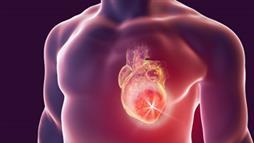
Story at-a-glance
- Heart disease is the leading cause of death in both men and women in the U.S. Each year, 525,000 Americans suffer their first heart attack; another 210,000 heart attacks occur in those who have already had one
- Research shows there’s an inverse dose-response relationship between exercise and your risk for heart failure, and that you can reduce your risk of heart failure with even modest increases in physical activity
- Research presented at the 2018 European Society of Cardiology congress found that increasing activity after a heart attack cuts your risk of dying within the next four years in half
- Compared to inactive patients, the risk of death was 37 percent, 51 percent and 59 percent lower in heart attack patients who engaged in low activity, increased activity and constant activity, respectively
- Three major underlying causes of heart attacks are mitochondrial dysfunction, impaired microcirculation to your heart and chronically suppressed parasympathetic nervous system activity
By Dr. Mercola
Heart disease is the leading cause of death in both men and women in the U.S.1 Each year, 525,000 Americans suffer their first heart attack; another 210,000 heart attacks occur in those who have already had one. Diet, of course, plays a significant role in heart disease. Stress and physical activity are also significant contributing factors, and research consistently shows exercise is a great way to lower your risk. Exercise also serves double-duty by being an effective form of stress relief.
Physical Activity Lowers Risk of Heart Failure
Research2 published in 2015 concluded there’s an inverse dose-response relationship between physical activity and your risk for heart failure, and that you can reduce your risk of heart failure with even modest increases in physical activity. It even works if you start later in life. Overall, people who got at least 150 minutes of moderate exercise or 75 minutes of vigorous exercise each week were 33 percent less likely to develop heart failure than those who were inactive.
For those who were less active, engaging in less than 149 minutes of moderate activity or 74 minutes of vigorous activity a week still benefited with a 20 percent lower heart-failure risk. Moreover, previously inactive people who started exercising during the six-year study period and reached recommended physical activity levels still were able to reduce their risk of heart failure by 22 percent.
Those who went from inactive to walking 30 minutes four times a week lowered their risk by 12 percent. Many other studies have confirmed that even a small amount of exercise is better than nothing at all. Researchers have also concluded that exercise is the best preventive “drug" for heart disease.3
Indeed, a 2013 scientific review4 that compared the effectiveness of exercise versus drug interventions on mortality outcomes found “no statistically detectable differences” between physical activity and medications for heart disease. This is a potent reminder of the power of simple lifestyle changes, as well as the shortcomings of the drug paradigm.
Exercise After Heart Attack Lowers Mortality Risk
Many who have suffered a heart attack tend to worry about exerting themselves afterward, thinking their heart won’t be able to withstand the strain. In the past, exercise was thought to be a trigger of heart attacks and doctors typically prescribed rest. I remember this very clearly; even into the ‘60s the standard of care post heart attack was six weeks of bed rest.
This theory has since been debunked. Most recently, research5,6 presented at the 2018 European Society of Cardiology congress found that increasing activity after a heart attack actually halves your risk of dying within the next four years.
Lead author Dr. Örjan Ekblom, associate professor at the Swedish School of Sport and Health Sciences in Stockholm noted, “It is well-known that physically active people are less likely to have a heart attack and more likely to live longer. However, we did not know the impact of exercise on people after a heart attack." To investigate the effect of exercise on survival, physical activity data and medical records of more than 22,200 heart attack patients were analyzed. As reported by Science Daily:7
“A total of 1,087 patients died during an average follow-up of 4.2 years. The researchers analyzed the association between the four categories of physical activity and death, after adjusting for age, sex, smoking, and clinical factors. Compared to patients who were constantly inactive, the risk of death was 37 percent, 51percent and 59 percent lower in patients in the categories of reduced activity, increased activity, or constantly active, respectively.”
According to Ekblom, "Our study shows that patients can reduce their risk of death by becoming physically active after a heart attack." He believes exercise should be a standard prescription after a patient has had a heart attack, noting that "Exercising twice or more a week should be automatically advocated for heart attack patients in the same way that they receive advice to stop smoking, improve diet and reduce stress."
Ekblom also points out that this advice applies to all heart attack patients, without exceptions, including those suffering both minor and major heart attacks, and those who still smoke.
As for how quickly you can pick up an exercise program, in this study, activity levels were reported at 6 and 10 weeks, and again at 12 months after the heart attack, and patients were asked how many times they’d exercised for at least 30 minutes in the previous week. Judging by the responses and outcomes, it seems starting an exercise program as early as four to five weeks after your heart attack can be beneficial.
Your Cholesterol Has Nothing to Do With Your Heart Attack Risk
While conventional medicine still focuses on cholesterol and the plaque buildup in your arteries, compelling evidence suggests this heart attack theory is significantly flawed. A number of studies have shown that higher cholesterol levels are actually associated with increased life expectancy, and that there is no relationship between high cholesterol and death.
As noted by Dr. Thomas Cowan, a founding board member of the Weston A. Price Foundation and author of “Human Heart, Cosmic Heart,” the diffuse systemic disease causing blocked arteries is NOT high cholesterol.
Similarly, in his 2004 book, “The Etiopathogenesis of Coronary Heart Disease,”8 the late Dr. Giorgio Baroldi wrote that the largest study done on heart attack incidence revealed only 41 percent of people who have a heart attack actually have a blocked artery, and of those, 50 percent of the blockages occur after the heart attack, not prior to it. This means at least 80 percent of heart attacks are not associated with blocked arteries at all. So, what’s causing the heart attack?
Three Underlying Factors That Cause Heart Attacks
According to Cowan, the three most important factors and manifestations are:
1.Autonomic nervous system imbalance, specifically chronically suppressed parasympathetic nervous system activity (the "rest and digest" functions of your body), caused by factors such as stress, poor sleep, high blood pressure, diabetes, high-sugar diets and smoking, all of which have a detrimental effect on your mitochondrial function as well.
2.Lack of microcirculation to your heart. Contrary to popular belief, blood flow to your heart is not restricted to just your coronary arteries. You actually have a multitude of smaller blood vessels, capillaries, feeding blood into your heart, and if one or more of your main arteries get blocked, your body will automatically sprout new blood vessels to make up for the reduced flow. In other words, your body performs its own bypass.
According to Cowan, your body is “perfectly capable of bringing the blood to whatever area of the heart it needs, and as long as your capillary network is intact, you will be protected from having a heart attack.” To understand how blood flows to and through your heart, check out the Riddle’s Solution section on www.heartattacknew.com’s FAQ page.9 There, you’ll find detailed images of what the actual blood flow looks like.
The same factors that cause low sympathetic tone also lead to loss of microcirculation, including smoking, a high-sugar, low-fat diet, prediabetes, diabetes, chronic inflammation and inactivity. In fact, physical movement is one of the most effective ways to encourage and improve microcirculation to your heart, which helps explain why it’s so effective for reducing your risk of heart attack and lowering your mortality risk after a heart attack.
3.Lactic acid buildup due to impaired mitochondrial function. Poor mitochondrial function causes a buildup of lactic acid that triggers cramps and pain. When this pain and cramping occurs in your heart, it’s called angina. The lactic acid buildup also restricts blood flow and makes the tissue more toxic. When a cramp occurs in your leg, you stop moving it, which allows some of the lactic acid to drain off.
Your heart cannot stop, however, so the glycolytic fermentation continues, and the lactic acid builds, eventually interfering with the ability of calcium to get into your heart muscle. This in turn prevents your heart from contracting, which is what you see on a stress echo or a nuclear thallium scan. In other words, your heart muscle is unable to contract due to acid buildup preventing calcium from entering the cells. As the acidosis continues, the tissue turns necrotic, causing a heart attack.
The Uncommon Heart Attack Risk Women Need To Be Aware Of
There’s also a rare heart attack trigger that targets primarily young and otherwise healthy women. Known as spontaneous coronary artery dissection (SCAD),10 this trigger is dangerously easy to overlook, as few SCAD patients have any history of or risk factors for heart disease. SCAD is a leading cause of heart attacks in healthy women under 55; the average age of SCAD patients is 42.
Essentially, SCAD occurs when the layers of your blood vessel wall tear apart from each other, trapping blood between the layers. As the blood pools and collects between the layers, your blood vessel gets choked off, killing heart muscle tissue downstream from the blockage, thereby triggering a heart attack. While the cause for SCAD is unknown, medical experts have theorized it may have something to do with hormonal variations. Common risk factors for SCAD include:
- Being female (80 percent of SCAD patients are women)
- Recently giving birth (20 percent of SCAD patients have recently given birth)
- Underlying blood vessel conditions such as fibromuscular dysplasia (a condition that causes abnormal cell growth in the arteries)
- Extreme physical exercise
- Severe emotional stress
Commonly reported signs and symptoms of SCAD include:
Lightheadedness
| Sweating |
| Radiating pain in your neck, back or jaw | Shortness of breath |
| Pain, tightness, pressure or discomfort in your chest (some women report feeling like their bra is suddenly too tight, even though they know it’s not) | Stomach pain |
| Fatigue | Pain radiating down one or both arms |
If you experience these symptoms, call for immediate emergency medical assistance (in the U.S., call 911). It’s important to realize that many who develop SCAD are otherwise quite healthy and most do not have risk factors for heart disease. For this reason, it’s important to seek medical attention if you experience symptoms of SCAD, in order to avoid a lethal heart attack.
Commonsense Prevention Strategies
So, what can you do to prevent and treat these underlying causes of heart attacks? Here’s are some commonsense suggestions that will target your mitochondrial function, improve microcirculation and help rebalance your parasympathetic tone:
Eat a cyclical ketogenic diet
Eat a whole food-based diet low in net carbs and high in healthy fats to optimize mitochondrial function. Add beet juice (or fermented beet powder) to help normalize your blood pressure. Fresh arugula or fermented arugula powder is another option.
|
Stay active
Get plenty of nonexercise movement each day; walk more and incorporate higher intensity exercise as your health allows.
|
|
Once you’ve progressed to the point of fasting for 20 hours each day for a month, consider doing a four- or five-day water fast several times a year.
|
Enhanced external counterpulsation (EECP)
If you already have heart disease, look into EECP, a highly effective and noninvasive treatment option that improves microcirculation to your heart. It’s a Medicare insurance-approved therapy, and studies show EECP alone can relieve about 80 percent of angina. It is one of my absolute favorite therapies to help reverse the existing damage.
EECP works by inflating compression cuffs on your thighs and calves that are synchronized with your EKG. When your heart is in diastole (relaxed), the balloons inflate, forcing blood toward your heart, thereby forcing the growth of new capillaries. It’s a really powerful and safe alternative to coronary bypass surgery for most people.
Rather than bypassing one or two large arteries, you create thousands of new capillary beds that supply even more blood than the bypassed vessels.
The sessions are about one hour long, and most patients will need about 35 sessions to receive benefit. Aside from angina, it’s also effective for heart failure and diastolic dysfunction. Many elite athletes also use it as an aid to maintain cardiac fitness when they are injured and unable to actively exercise, as EECP basically works as a passive form of exercise. To find a provider, visit EECP.com.11
|
G-strophanthin
You may also consider taking g-strophanthin, an adrenal hormone that helps create more parasympathetic nervous system neurotransmitters, thereby supporting your parasympathetic nervous system. It also helps flush out lactic acid. Strophanthus is the name of the plant, the active ingredient of which is called g-strophanthin in Europe, and ouabain in the United States.
|
Optimize your vitamin D level
Get sensible sun exposure to optimize your vitamin D status and/or take an oral vitamin D3 supplement with vitamin K2.
|
Optimize your magnesium level
A lack of magnesium will impede your cellular metabolic function and deteriorate mitochondrial function, which in turn can lead to more serious health problems, including heart problems. Magnesium also helps relax blood vessels and normalize blood pressure, which is an underlying trigger of heart attacks. Hypertension,12 cardiovascular disease, arrhythmias and sudden cardiac death13 are all pathologies associated with magnesium deficiency.
Your best bet is to have an RBC magnesium test done, which measures the amount of magnesium in your red blood cells. You can also evaluate and track signs and symptoms of magnesium deficiency, and to make sure you eat magnesium-rich foods and/or take a magnesium supplement, balanced with vitamins D3, K2 and calcium.
Alternatively, keep an eye on your potassium and calcium levels, as low potassium and calcium are common laboratory signs of magnesium deficiency.14
|
Practice gratitude
Implement heart-based wellness practices such as connecting with loved ones and practicing gratitude.
|
Thursday, May 3, 2018
Is UV Radiation Good or Bad for You? - Dr. Sam Berne - Holistic Eye Care
Is UV Radiation Good or Bad for You? - Dr. Sam Berne - Holistic Eye Care: Hey folks, it’s Dr. Sam and I’m on my morning hike today taking in the sunlight. I want to talk a bit about UV light and its pros and cons. So is it good for you or not? There’s definitely some research out there that shows that overexposure to UV lights from the sun can …
Subscribe to:
Posts (Atom)


